
Is your baby getting enough Vitamin D?
For many breastfeeding mothers, this is a top concern. Breast milk is undoubtedly the “gold standard” of infant nutrition, a perfect blend of fats, proteins, and antibodies tailored to your baby’s needs. However, there is one crucial nutrient that breast milk naturally lacks in sufficient quantities: Vitamin D.
In this article, we will dive into why Vitamin D is a top trending topic in infant health, explain its vital roles, and provide a comprehensive guide on how to ensure your baby receives the optimal amount, whether through food or supplements.
Why is Vitamin D So Important for Babies?
Vitamin D, often called the “sunshine vitamin,” is not just a nutrient; it acts more like a hormone in the body, influencing numerous critical functions.
1. Strong Bones and Teeth (Preventing Rickets)
The primary and most well-known role of Vitamin D is in calcium absorption. Without enough Vitamin D, your baby’s body cannot effectively absorb the calcium needed to build strong bones and teeth. A severe deficiency can lead to rickets, a condition characterized by soft, weak, and deformed bones. While rare, rickets is entirely preventable.
2. Robust Immune System
Emerging research consistently links adequate Vitamin D levels with a healthier immune system. For infants, whose immune systems are still developing, Vitamin D can help protect against common respiratory infections, viruses, and even reduce the risk of more serious conditions, such as early-onset neonatal sepsis.

The Big Question: Why Isn’t Breast Milk High in Vitamin D?
It’s a common misconception that breast milk provides everything a baby needs. For millions of years, humans and their ancestors received their Vitamin D primarily from direct sunlight exposure. Because of this, breast milk naturally contains very low levels of Vitamin D, typically ranging from 4 to 80 IU per liter (IU/L).
In contrast, the American Academy of Pediatrics (AAP) and the Centers for Disease Control and Prevention (CDC) recommend that all breastfed infants receive a daily supplement of 400 International Units (IU) of Vitamin D, starting within the first few days of life.
Solutions for Ensuring Adequate Vitamin D
Parents have two primary pathways to ensure their breastfed baby receives enough Vitamin D.
You should always consult your pediatrician before starting any new supplement regimen for your baby or yourself.
Pathway 1: Direct Oral Supplementation for the Baby (Standard Recommendation)
This is the most direct and reliable method recommended by health authorities.
-
How it’s done: You provide a daily liquid supplement to your baby.
-
Usage: A single drop containing 400 IU is given daily. This can be administered directly into the baby’s mouthusing the provided dropper, or, as a common practice, you can add the drop to a small amount of expressed breast milk in a bottle or on your nipple just before feeding.
Product Examples:
Infant Vitamin D3 Liquid Drops (400 IU) – Amazon

Pathway 2: Maternal Supplementation (The Emerging Alternative)
If direct infant supplementation is challenging for you (due to consistency or a baby’s preference), a high-dose maternal supplement may be a viable alternative.
-
How it works: A significant increase in maternal Vitamin D intake dramatically increases the Vitamin D content of the mother’s milk.
-
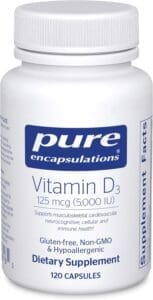
The Dose: Research has shown that a daily high-dose maternal supplement of 6400 IU safely provides breast milk with adequate Vitamin D to satisfy the requirement of her nursing infant. (Crucially, standard maternal doses of 400-600 IU are not effective for this purpose.)
Product Examples
High Dose Maternal D3 – Amazon
Maternal D3 & Omega-3 Combo (for high-dose protocols) – Amazon
Boosting Vitamin D through Your Diet
While it is very difficult to achieve a status that provides sufficient transfer to breast milk without supplements (due to Pathway 2), a maternal diet rich in Vitamin D is essential for your health and overall wellness while breastfeeding.
When planning your meals, focus on these top food types:
Oily Fish: Grilled salmon, mackerel, sardines, and trout are some of the best natural sources of Vitamin D.
Egg Yolks: From pasture-raised eggs.
Fortified Foods: Look for fortified cereals, non-dairy milks (almond, soy, oat), and orange juice.
Cod Liver Oil: A powerful, traditional supplement.

Summary and Key Takeaways
The link between Vitamin D and a baby’s health is undeniable. Don’t assume breast milk is enough for this single nutrient. Whether you choose direct baby drops or high-dose maternal supplementation, ensuring your baby receives 400 IU of Vitamin D daily is one of the single most effective steps you can take to support their lifelong health.
Test Your Breast Milk's Nutritional Profile with BoobieJuice
Curious about the exact nutritional makeup of your breast milk? Whether you are monitoring the impact of your diet and supplements or simply want total peace of mind, professional analysis can provide clear answers.
Operating as an independent, cGMP-certified facility, BoobieJuice utilizes advanced laboratory testing—including precision mid-wave infrared milk analyzers—to accurately evaluate your milk’s unique composition.
-
Discover what’s in your milk: Learn more about our comprehensive analysis on our Breast Milk Nutritional Test Page.
-
Have questions? Contact us Call/Test (602)456-1492 Email ilove@boobiejuice.com for more details on our testing protocols and to find out how we can help you optimize your baby’s nutrition!